Description
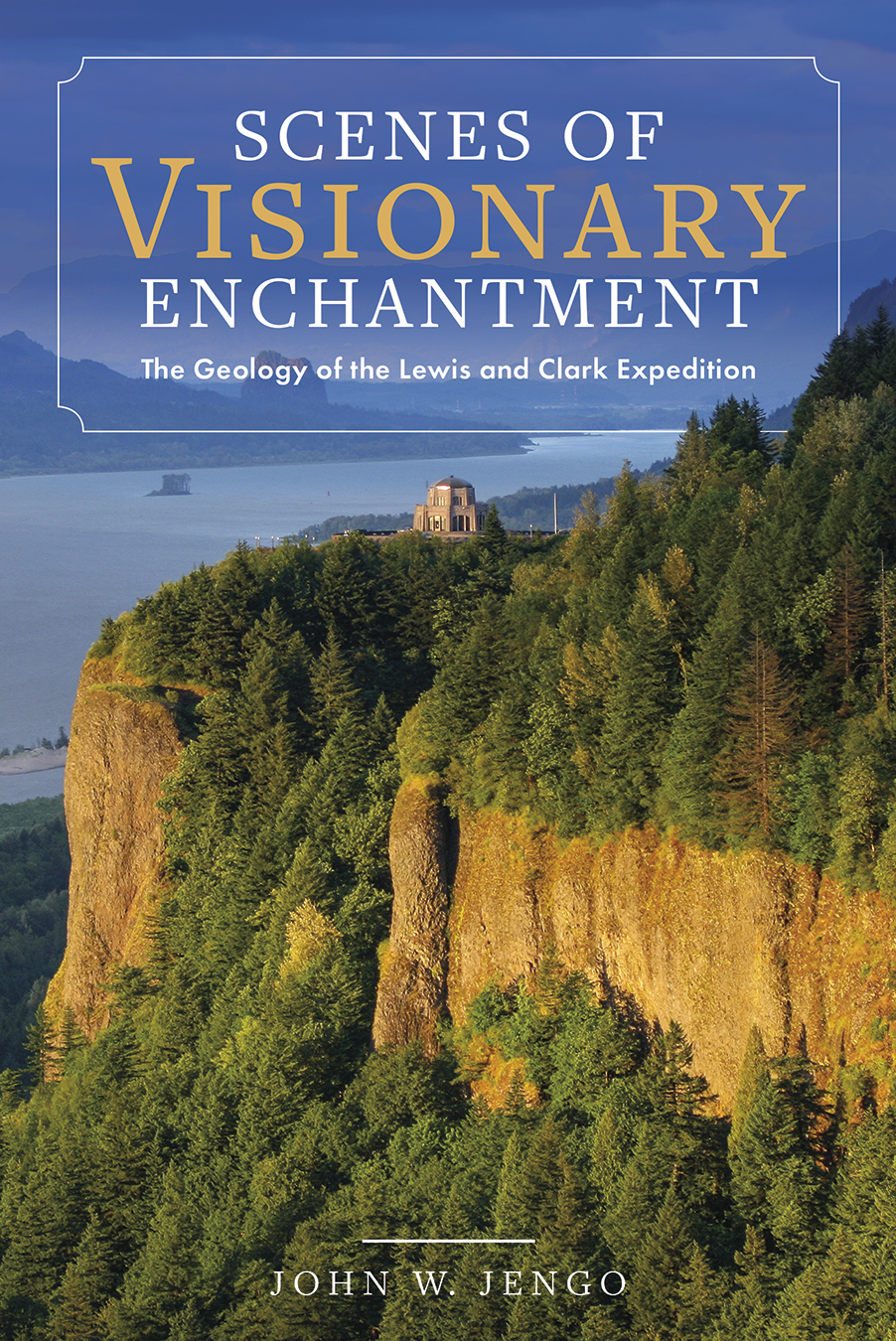
Although scholars have examined the ethnology, natural history, and geography surrounding the Lewis and Clark Expedition, in the ten expedition reaches Jengo studied, no equivalent earth sciences work exists. Still, multiple scholars questioned the quality, quantity, and accuracy of Lewis and Clark’s geological and mineralogical observations, as well as their impact on further scientific inquiry, leading Jengo to scrutinize expedition journals, read hundreds of complex academic geological reports, and utilize rafts, canoes, kayaks, bikes, and hiking trails to visit numerous locations along the route. His extensive research affirms the accuracy and thoroughness of the captains’ earth science and geological notations, and he now believes those stinging indictments and misinterpretations are unfair. His new book offers a detailed and accessible presentation of Lewis and Clark Trail geology, delving deep into the geological formations, geomorphic features, and past geological upheavals and catastrophic events, paying attention to the science as it existed in the early 1800s and bringing to light several long-forgotten pioneering geologists. He explores related topics such as native American pictographs, as well as some specific references to art and geological features. Finally, he traces the fate of the rock, mineral, and fossil specimens, even traveling to collection repositories in Philadelphia and Paris.
About the author
John W. Jengo’s career as a geologist, hydrogeologist, and licensed hazardous waste site remediation professional involved cleaning up hazardous wastes for several decades before transitioning into restoring rivers and improving migratory fish passage via dam removals and enhancing wetlands harmed by industrial discharges. He was the lead technical writer for several, responsible for explaining complex problems and solutions in simple terms to clients and regulatory agencies. He is the author of numerous peer-reviewed publications and presentations, including The Professional Geologist and Northeastern Geology and Environmental Sciences.
Listen to John W. Jengo’s interview on the We’re No Dam Experts podcast
Recognition
“John W. Jengo has left no stone unturned in his foundational study on Lewis and Clark geology. He adroitly offers readers and modern trail travelers insights into the ‘scenes of visionary enchantment’ observed and described by the captains. His stunning photographs and brilliant interpretations of journal passages make sense of the heretofore least known aspects of Lewis and Clark’s scientific discoveries. Jengo tracked down the rock and mineral specimens Lewis and Clark collected and has placed their efforts within the larger context of the geological sciences in this definitive work on the geology and mineralogy of the Lewis and Clark Expedition.”
—Dr. Jay H. Buckley, Associate Professor of History at Brigham Young University, author of William Clark: Indian Diplomat, and co-author of By His Own Hand? The Mysterious Death of Meriwether Lewis
“John Jengo’s Scenes of Visionary Enchantment: The Geology of the Lewis and Clark Expedition gives the world of Lewis and Clark scholarship something both new and greatly needed: a careful and detailed explication of just where and how the geological and mineralogical observations of Lewis and Clark fit into a science very much in its infancy in 1804-06. Caught between the view of Earth history as written in Genesis and the growing recognition that the world had to be a great deal older than the approximately six millennia proclaimed by Bishop Ussher, pioneering geological observers like Lewis and Clark had to sort out observable phenomena from more traditional interpretations. And, as Jengo so clearly points out, they did so extraordinarily well. Jengo’s well-crafted prose links the geological work of Lewis and Clark to both the prevailing world views of the opening years of the nineteenth century and the continuing development of earth science for the remainder of the 1800s. One does not have to be a geology geek to read and enjoy this splendid book, to appreciate the excellent maps and photographs, and—if so inclined—to use the numerous annotations to gain further insights into the science of a new nation’s most important exploratory venture. Thomas Jefferson’s disclaimer about the Expedition being ‘a scientific endeavor’ notwithstanding, Lewis and Clark were primarily engaged in what was a commercial and imperial venture. But they also did excellent science and now, many thanks to John Jengo, we know a great deal more about that important component of the Expedition than we have known heretofore.”
—Dr. John Logan Allen, former chairman of the Department of Geography, University of Wyoming Emeritus Professor of Geography, and a prolific author whose best-known Expedition book is Passage through the Garden: Lewis and Clark and the Image of the American Northwest